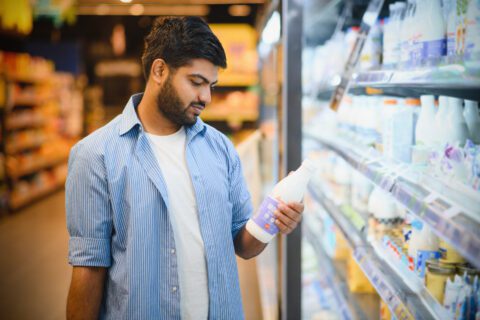
From 2028, the UK government will expand its sugar tax to include pre-packaged milk-based drinks like milkshakes, iced coffees, and plant-based alternatives – introducing new thresholds and reformulation pressure across the sector.
While the move is positioned as a public health intervention, for manufacturers and suppliers it represents a real and immediate product development challenge. Ingredient buyers, R&D teams, and formulators must now plan for the impact on recipes, margins, and compliance. For ingredient suppliers like us, it’s another signal that functional, flexible, and forward-thinking solutions will be key.
Who’s Impacted?
The 2028 extension of the UK sugar tax brings a new wave of scrutiny to a much wider category of products:
- Milk-based drinks – including both traditional dairy and plant-based alternatives like oat, soya, and almond – will now fall under the levy if they exceed 4.5g of sugar per 100ml, a threshold reduced from the previous 5g.
- High-protein and functional drinks previously positioned as “healthier choices”, the functional drinks category is now squarely in the regulatory spotlight.
- Even clean label and fortified drinks, long seen as premium and permissible indulgences, may need reformulating to maintain compliance without compromising taste, shelf-life, or functionality.
For ingredient suppliers and product developers, this means reassessing sweetener strategies, nutrient positioning, and even marketing claims. Sugar isn’t just a nutritional metric – it’s a technical ingredient, and modifying it’s inclusion affects everything from mouthfeel to microbial stability.
Formulation & Reformulation Pressure
Reformulating milk-based and plant-based drinks presents a significantly greater technical challenge than carbonated beverages. These products often rely on natural sugars like lactose or added sugars to deliver mouthfeel, stability, and flavour. With the sugar tax threshold dropping to 4.5g per 100ml, brands will face difficult decisions: reduce sugar and risk texture loss, or reformulate using alternative ingredients.
The inclusion of a lactose allowance is a welcome move; it acknowledges the nutritional value of dairy and helps mitigate some of the reformulation burden for milk-based drinks. However, it doesn’t eliminate the need for costly R&D to bring sugar levels down without compromising quality.
Ingredient suppliers will play a critical role here, offering low-sugar stabilising systems, alternative sweeteners (like stevia, erythritol, or maltitol), and bulk ingredients to support sugar reduction without affecting taste or structure. This collaboration will be crucial in helping brands maintain consumer acceptance while staying compliant with the new regulations.
Supply Chain Ramifications
As the sugar levy expands, ingredient buyers across the beverage industry may need to rethink procurement strategies and pivot towards novel formulation systems. Reformulation pressures will cascade through the supply chain, driving greater demand for:
- Natural fibres like inulin and fructooligosaccharides (FOS), which offer bulking and prebiotic functionality while contributing to sugar reduction claims.
- Low-calorie and reduced sugar sweetening solutions, including stevia, fructose, and polyols like maltitol and sorbitol, to meet consumer expectations for health without compromising sweetness.
- Clean label emulsifiers and flavour solutions to maintain taste in reduced-sugar applications, especially in dairy and plant-based matrices where sweetness can amplify off-notes.
These shifts may also impact domestic UK sugar sourcing, as manufacturers rebalance portfolios and seek versatile, compliant ingredient systems to meet the 4.5g/100ml threshold without sacrificing sensory quality.
The Bigger Picture: Sugar Reformulation Is Now a Business Imperative
What started as a public health initiative has evolved into a broad, cross-category reformulation challenge; and it’s not going away. From dairy-based protein drinks to plant-based alternatives, the pressure to reduce sugar now impacts technical development, marketing claims, and long-term product viability.
Manufacturers can no longer treat reformulation as a reactive fix; it must be embedded into innovation pipelines. “Clean label” is no longer enough; products must now be clean and compliant, delivering functional performance without triggering regulatory thresholds.
Expect similar scrutiny in adjacent categories such as flavoured yoghurts, ambient desserts, and fortified milk-based beverages. The sugar levy expansion is part of a wider trend toward holistic nutritional improvement; and it places significant demands on suppliers and formulators alike.
At Lehmann Ingredients, we help manufacturers respond with agility, offering clean label sweetening systems, reduced sugar carbohydrate solutions and dietary fibres, that support your sugar reduction objectives .
Conclusion: Prepare Now or Pay Later
Whether brands choose to absorb the cost of the new sugar tax or invest in reformulation, one thing is clear: change is inevitable. With the 2028 extension bringing milk-based and plant-based beverages into scope, the pressure is on for food and beverage manufacturers to rethink formulation strategies early.
Ingredient providers now play a critical role; not just in sugar reduction, but in helping brands maintain sensory quality, shelf stability, and clean label appeal under tighter restrictions.
At Lehmann Ingredients, we’re already helping customers get ahead of these challenges with tailored solutions for:
- Sugar replacement and reduction
- Texture and stability in dairy and plant-based drinks
- Label-friendly fibres and proteins
If you formulate milk-based or plant-based drinks, now is the time to talk.
FAQs
From 2028, pre‑packaged milk‑based drinks (dairy or plant‑based) such as flavoured milks, milkshakes, ready‑to‑drink lattes and other drinks with added sugar will be within scope – if their sugar content exceeds the new threshold.
Naturally occurring lactose in milk will be excluded when calculating total sugar for tax liability. Only added sugars – or sugars from hydrolysed lactose / whey or added lactose – will count toward the 4.5 g/100 ml threshold.
Yes – the exemption for milk‑substitute drinks is being removed. Plant‑based drinks with added sugar will be treated similarly to dairy drinks under the sugar levy, if they exceed the sugar threshold.
The threshold for drinks to be liable for the levy will be lowered from 5.0 g/100 ml to 4.5 g/100 ml total sugars (after lactose allowance when applicable).
Yes – many manufacturers are likely to reformulate, using lower‑sugar sweeteners, bulking agents, fibres or alternative carbohydrate systems to replace some sugar while retaining texture and mouthfeel. The “lactose allowance” alone will not guarantee compliance – reformulation may still be needed.
Reformulation is more complex than for soft drinks because milk‑based drinks rely on sugar (and lactose) for sweetness, body, mouthfeel, and stability. Reducing sugar without losing viscosity, flavour, or stability – and doing so cost-effectively – will demand R&D, ingredient substitutions, and careful process adjustment.
Clean‑label products will face additional pressure: any reformulation must balance lower sugar content with ingredient transparency and label‑friendly additives. Switching to alternative sweeteners or bulking agents must be managed carefully to preserve both taste and clean-label positioning.
That depends. Some manufacturers may absorb the levy; others may pass it to retailers and consumers. Alternatively, reformulating to reduce sugar may allow products to avoid the levy altogether – which could avoid price increases.
No. The sugar levy (as expanded) applies to pre-packaged milk‑based drinks and milk-substitutes with added sugar. 100% fruit or vegetable juices – and those without added sugar – remain exempt under current guidance.
Suppliers can offer alternative sweetener systems, bulking agents, fibres, stabilisers and flavour‑masking solutions. They can support reformulation to reduce sugar content while retaining texture, mouthfeel, stability, and clean‑label appeal – helping manufacturers stay compliant without compromising product quality.