

Tapioca Fibre

Supplier of Tapioca Fibre to Food & Drink Manufacturers

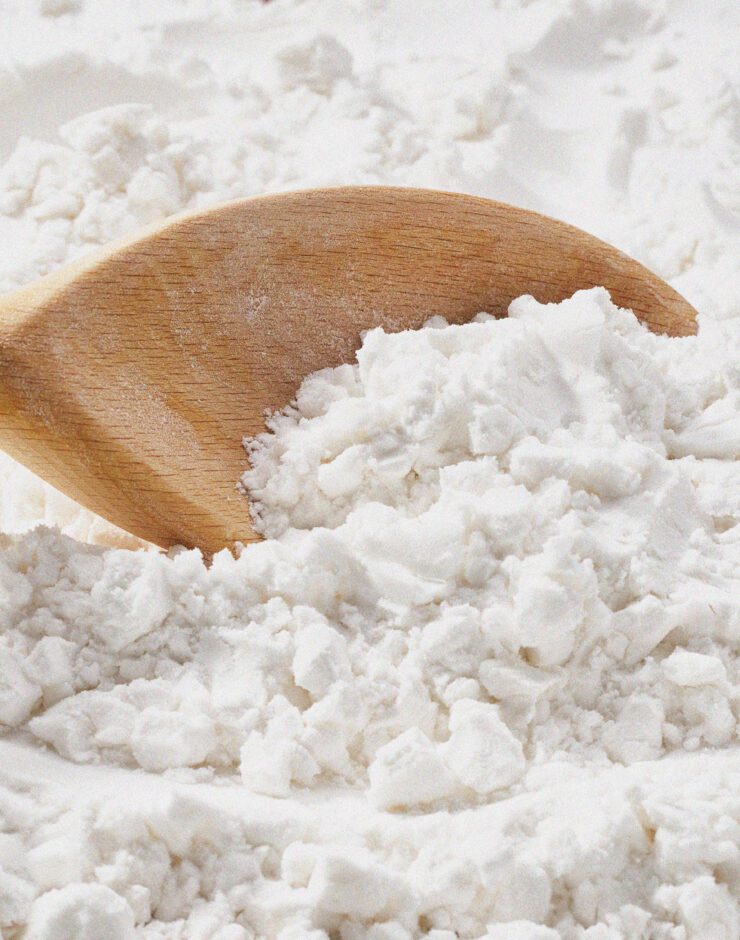
Our tapioca fibre is a highly soluble dietary fibre derived from tapioca starch, offering food manufacturers a versatile ingredient for fibre enrichment and formulation support. With a neutral taste, excellent solubility, and low viscosity, tapioca fibre can be easily incorporated into a wide range of applications including bakery, nutrition bars, beverages, and reduced sugar products. Available in conventional quality. Please enquire for more information on organic availability or suitable alternatives depending on your formulation requirements.

Category

Dietary Fibre - Soluble

Sectors

Food And Drink

Animal Nutrition

Personal Care

Pharmaceutical

Availability

UK Stock

This is an ingredient we currently keep in stock at one of our warehouses, or have the ability to do so. Contact us to discuss in more detail.

Direct Delivery

This is an ingredient we can directly deliver from our supplier to you for commercial reasons, or is necessary due to special product requirements.

Packaging

Varies on Ingredient Type

MOQ

Varies on Ingredient Type

What is Tapioca Fibre?

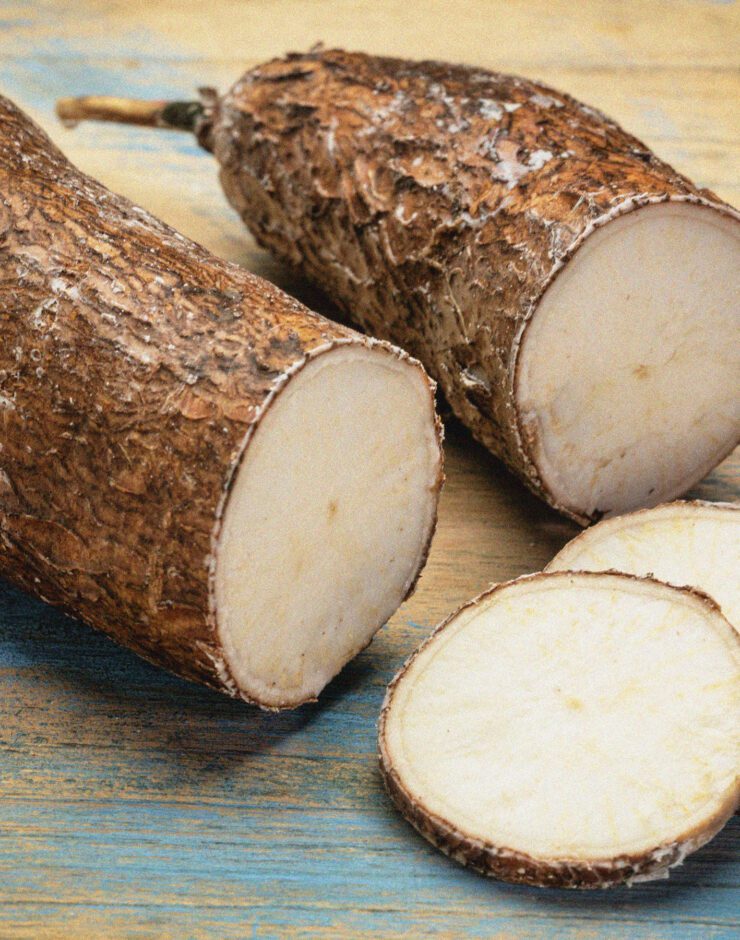
Tapioca fibre is a soluble dietary fibre derived from tapioca starch, which originates from the cassava root (Manihot esculenta). It is produced through a controlled enzymatic and thermal process that partially breaks down the starch structure, creating a highly soluble fibre ingredient.

This ingredient is often referred to as resistant dextrin, a form of soluble fibre created through the hydrolysis and conversion of tapioca starch. During this process, some of the starch molecules become resistant to digestion in the small intestine, allowing them to function as dietary fibre.

Tapioca fibre is widely used in food manufacturing as a functional ingredient that provides fibre enrichment while supporting texture, sweetness balance, and formulation stability. It is particularly valued for its neutral taste, high solubility, and ability to integrate easily into a wide range of food systems.

Applications

Tapioca fibre is used across a variety of food applications where fibre enrichment, texture support, or sugar reduction are desired.

Common applications include:
• Bakery products – breads, cakes, muffins, and baked snacks
• Nutrition bars and snack bars – as a fibre source and binding ingredient
• Confectionery – reduced sugar sweets and chewy candies
• Dairy and dairy alternatives – yoghurts, desserts, and plant-based products
• Beverages – fibre-enriched drinks and nutritional beverages
• Sauces and dressings – where mild thickening and fibre enrichment are beneficial
• Sports and functional nutrition products – powders, gels, and fortified foods
• Reduced sugar or reduced calorie formulations

Because of its neutral flavour and high solubility, tapioca fibre can be incorporated into formulations without significantly altering taste or mouthfeel.

Functionalities

Tapioca fibre offers several functional benefits that make it useful in food formulation:
• Dietary fibre enrichment – increases fibre content while maintaining a clean flavour profile
• Bulking agent – provides structure and body in reduced sugar formulations
• Texture improvement – contributes to smooth mouthfeel and product consistency
• Sugar reduction support – can partially replace sugar while maintaining sweetness perception
• High solubility – dissolves easily in liquid systems
• Low viscosity – provides fibre without significantly thickening formulations
• Humectancy – can help retain moisture in certain applications
• Digestive tolerance – generally well tolerated compared with some other fibre ingredients

These properties make tapioca fibre particularly useful in reduced sugar, high fibre, and functional food formulations.

Nutritional Information

Tapioca fibre is primarily valued for its dietary fibre content. Because resistant dextrin is not fully digested in the small intestine, it contributes significantly to total dietary fibre while providing relatively low caloric value compared with traditional carbohydrates.

Typical nutritional characteristics include:
• High dietary fibre content (often around 80–90%)
• Low sugar content
• Low fat and protein
• Reduced caloric contribution compared with standard carbohydrates
• Minimal impact on blood glucose compared with digestible sugars

Due to these characteristics, tapioca fibre is frequently used in products positioned as:
• High fibre
• Reduced sugar
• Reduced calorie
• Functional or digestive health products