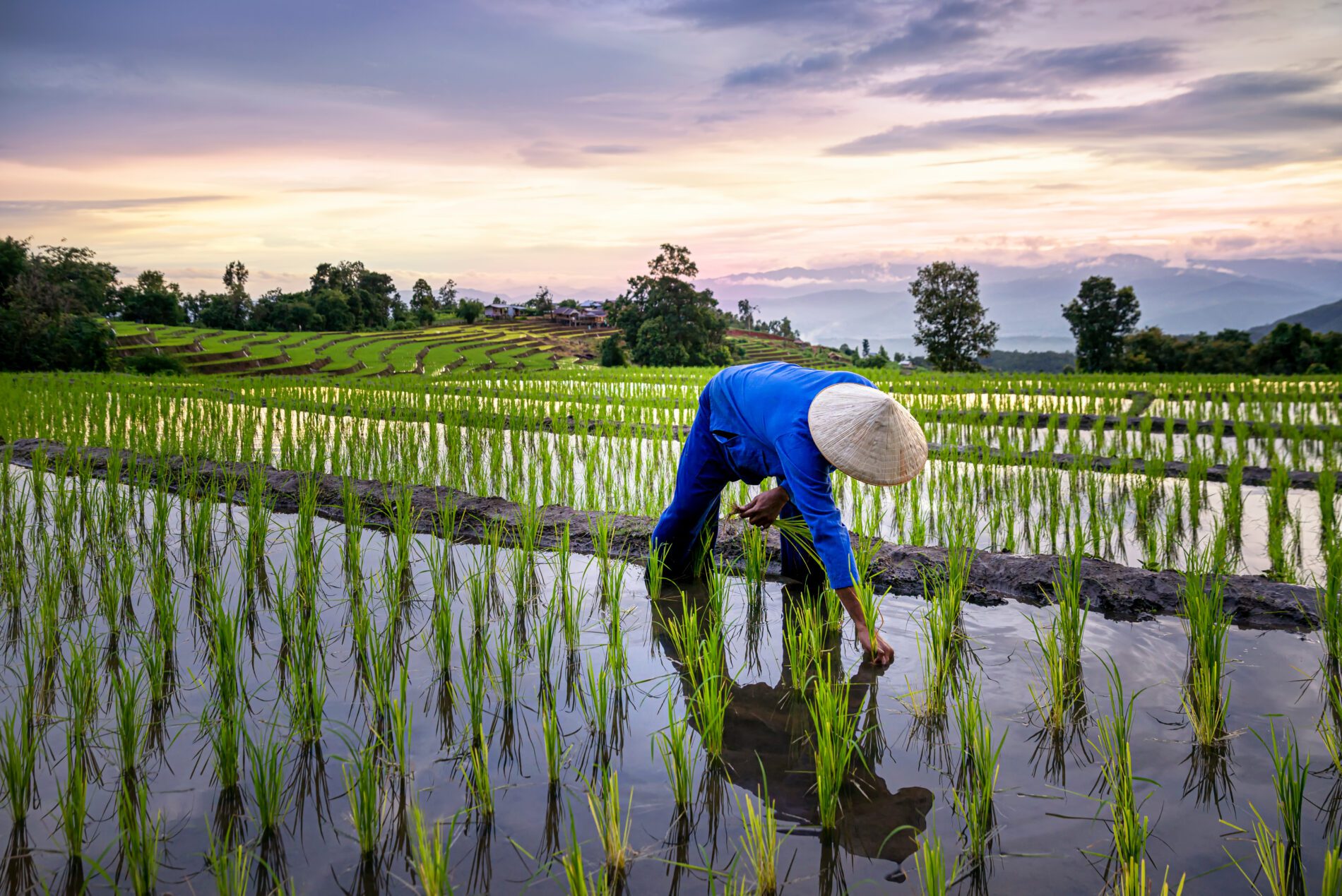
Despite ongoing political challenges, Myanmar remains a significant rice-producing nation — accounting for around 43% of the country’s total agricultural output, with over 8 million hectares harvested annually. Once the world’s top rice exporter, Myanmar today ranks among the top ten globally and is known for premium varietals such as Paw San Hmwe, which even won the World’s Best Rice award in 2011.
However, the country’s rice industry is facing mounting pressure. According to USDA estimates, milled rice output for MY 2025–26 will reach 12 million metric tonnes, but export volumes are expected to decline by 14.5% this year, down to 2.4 million tonnes. This is partly due to foreign exchange restrictions, market sentiment, and weakened demand in key markets like China, which now favours different rice grades (A1/A2 over B1/B2).
Why We’ve Chosen Not to Source Rice from Myanmar
While Myanmar rice may still appear in certain supply chains, Lehmann Ingredients has made a conscious decision not to source rice from Myanmar, even if it is legally permitted.
This is based on several principles:
- 🌾 Supply chain hygiene: We require robust traceability and transparency for all ingredients, which is often difficult to guarantee in politically unstable or economically restricted regions.
- 🛡️ Ethical risk management: While rice is not currently sanctioned, we choose to avoid sourcing from regions where governance, labour standards, or geopolitical concerns pose ethical red flags.
- ✅ Clean label must mean clean ethics: Our definition of “clean label” goes beyond consumer-facing declarations. We believe that ethics, sustainability, and supplier accountability are equally vital — especially for bulk ingredients like rice starch or waxy rice flours.
Supporting Clean Label, Responsibly
At Lehmann Ingredients, we believe that “clean label” should mean more than just simple ingredients on pack — it should extend to ethical sourcing and supply chain integrity.
Our rice flour and rice starch products are sourced from reputable and audited suppliers with clear visibility over raw material origin and production practices. These ingredients help formulators meet clean-label expectations in gluten-free, low-allergen, and neutral-taste applications — without compromise on ethics.
We recognise that the conversation around clean-label claims is evolving. As ingredient transparency becomes a core value for both manufacturers and consumers, ethical sourcing is no longer optional — it’s expected.
If you’re reviewing your rice ingredient supply chain or would like to know more about our portfolio of rice flour or starches, get in touch with our team.