


Rice Starch

Supplier of Rice Starch to Food & Drink, Personal Care and Pharmaceutical Manufacturers

Rice Starch is a finely textured, plant-based starch extracted from polished white rice. Known for its ultra-smooth mouthfeel, excellent digestibility, and hypoallergenic profile, rice starch is ideal for clean-label and allergen-free formulations. Naturally bland in taste and white in appearance, it functions as a mild thickener, stabiliser, and texturiser across a wide range of food applications. Available in both native and waxy formats, also conventional or organic quality, Rice Starch is particularly favoured in infant nutrition, desserts, dairy alternatives, and premium ready meals.

Category

Starch

Sectors

Food And Drink

Personal Care

Pharmaceutical

Animal Nutrition

Availability

UK Stock

This is an ingredient we currently keep in stock at one of our warehouses, or have the ability to do so. Contact us to discuss in more detail.

Direct Delivery

This is an ingredient we can directly deliver from our supplier to you for commercial reasons, or is necessary due to special product requirements.

Packaging

Bag: 20 kg, 750 kg

MOQ

23,000 kg (FCL/FTL)

Related Rice Starch Ingredients (1)

Close-up of a baby lying down and drinking milk from a bottle, highlighting the importance of infant nutrition, with a small hand resting near their face.

Infant & Senior Nutrition

Ideal for sensitive diets due to its excellent digestibility and allergen-friendly nature. Creates a smooth texture in baby cereals and senior-friendly purees.

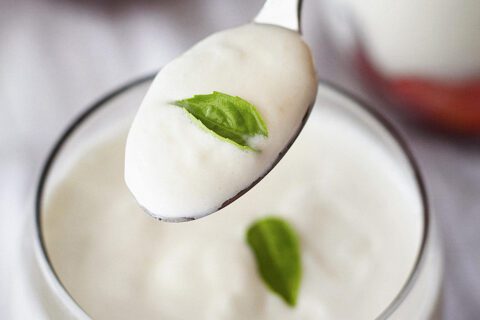
A close-up of a spoonful of creamy white yoghurt garnished with a small green mint leaf, held above a glass filled with yoghurt and topped with another mint leaf.

Dairy & Plant-Based Alternatives

Provides creaminess and stabilisation in yoghurt, milk analogues, and cheese alternatives without altering taste or colour.

Glass jars with sweets in them.

Bakery & Confectionery

Improves softness, moisture retention, and clean sliceability in gluten-free cakes, pastries, and fillings. Adds gloss and clarity to jellies and coatings.

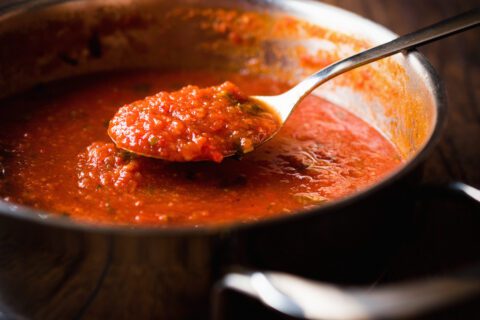
A close-up of a metal saucepan filled with chunky red tomato sauce thickened with cornflour, with a spoon lifting some sauce from the saucepan, set on a dark wooden surface.

Ready Meals, Sauces & Soups

Delivers silky thickening with a short texture in sauces, gravies, and soup bases. Performs well under mild cooking conditions.

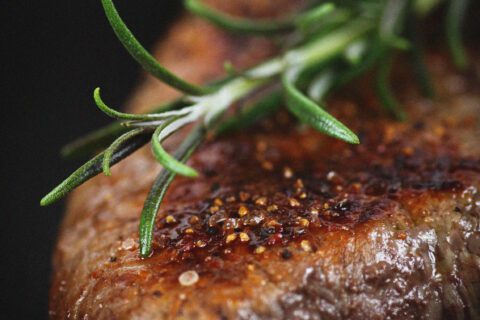
Cooked steak with rosemary sprig.

Meat & Fish Products

Acts as a binder and water retention agent in reformed meat and seafood products, improving yield and texture.

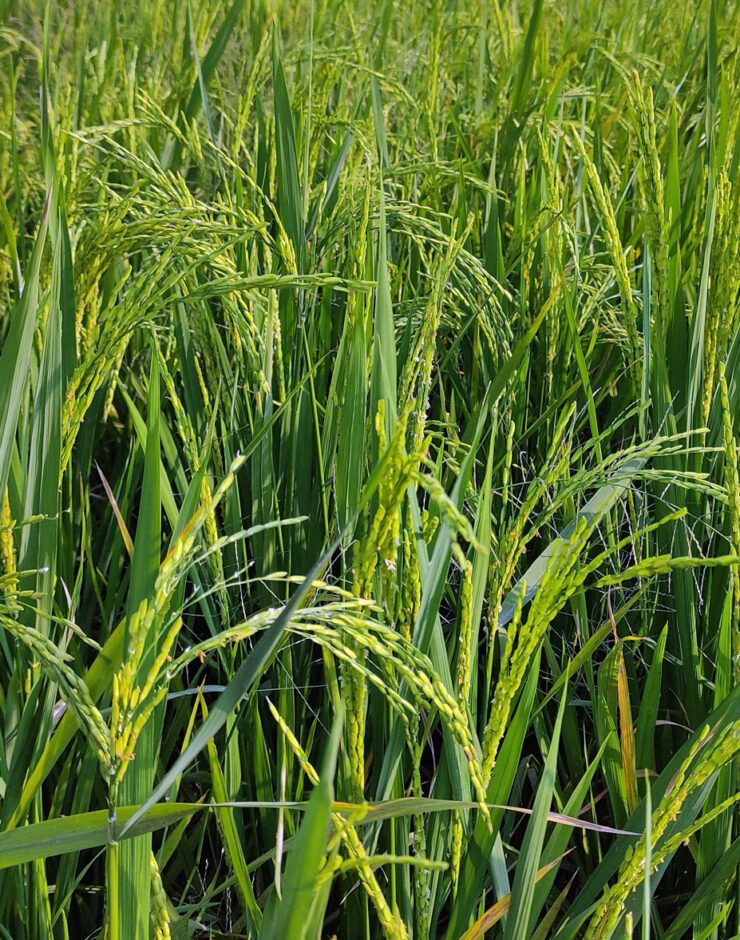
Close-up view of a lush green rice field with healthy rice plants and stalks bearing developing grains rich in rice starch, all bathed in natural sunlight.

Why Choose Our Rice Starch?

We supply high-quality native and waxy rice starch sourced from trusted European supply partners. Our starches are processed to meet rigorous food safety and quality standards, with options available for organic, baby-grade, and clean-label formulations. With its naturally mild taste, hypoallergenic profile, and excellent digestibility, our rice starch helps manufacturers meet consumer demand for clean label, functional ingredients—without compromising on texture or performance.

A hand holds a scoop of protein powder above a clear plastic shaker bottle, pouring the powder in against a light grey textured background.

What Is Rice Starch?

Rice starch is a natural carbohydrate extracted from the endosperm of rice grains—typically from polished white rice. It contains small, uniform granules, giving it a uniquely smooth, non-gritty mouthfeel. Its main components, amylose and amylopectin, make it ideal for short-textured and creamy products. Waxy rice starch, which is amylopectin-rich, offers superior freeze-thaw stability and resistance to syneresis, making it well-suited for chilled or frozen formulations.

Three tall glasses filled with frothy iced coffee, each with a pink and white striped straw, are arranged on a white surface—perfect for those who love refreshing twists on classic hot drinks.

Functionalities of Rice Starch

  • Smooth Thickening – Adds creaminess and silky mouthfeel in low-fat or allergen-friendly formulations

  • Neutral Taste & Colour – Won’t affect the sensory profile of delicately flavoured or light-coloured products

  • Hypoallergenic – Free from common allergens like gluten, soy, and dairy

  • Digestibility – Ideal for infant nutrition, clinical nutrition, or sensitive digestion

  • Short Texture – Provides clean spoon-cut texture in sauces and desserts

  • Freeze-Thaw Stability (Waxy Rice Starch) – Maintains performance in frozen and chilled products

  • Gloss & Clarity – Adds shine to jellies, confectionery coatings, and sauces

  • Fine Particle Size – Excellent for powdered applications or premium desserts

Six chocolate chip biscuits made with rice flour rest on a black cooling rack atop a light blue surface, a metal spatula beside them. A few scattered bits of flour add to the cosy scene.

Additional Benefits of Rice Starch

  • Clean Label – Can be declared simply as “Rice Starch,” ideal for natural positioning

  • Baby Food Grade – Safe and digestible for early-life formulations

  • Low Gelatinisation Temperature – Enables functionality at low cooking temperatures

  • Stable Under Mild Processing – Suitable for applications without harsh heat or shear

  • Waxy Rice Options Available – For superior stability and thickening in frozen and acidic systems

Rice Starch Production Method

Rice starch is extracted using a wet-milling process. The rice is soaked, ground, and separated to isolate the starch granules. It is then washed, filtered, and dried into a fine powder. Waxy rice starch is derived from special rice cultivars with higher amylopectin content, offering unique functional advantages for texture and stability.
Chemical & Molecular Structure

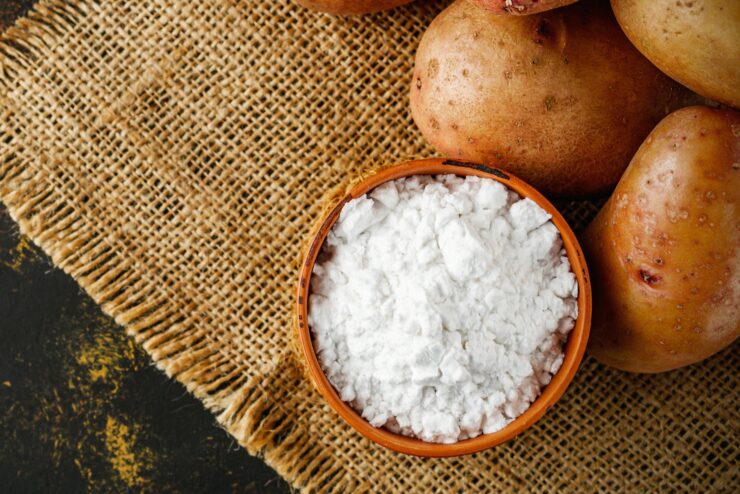
Rice starch is composed primarily of glucose polymers—amylose (linear) and amylopectin (branched). Native rice starch typically contains around 20–30% amylose, while waxy rice starch contains nearly 100% amylopectin. This molecular composition influences its gel structure, freeze-thaw resilience, and thickening behaviour. Its granule size is smaller than other starches, giving it a soft, creamy mouthfeel and making it ideal for premium or sensitive applications.

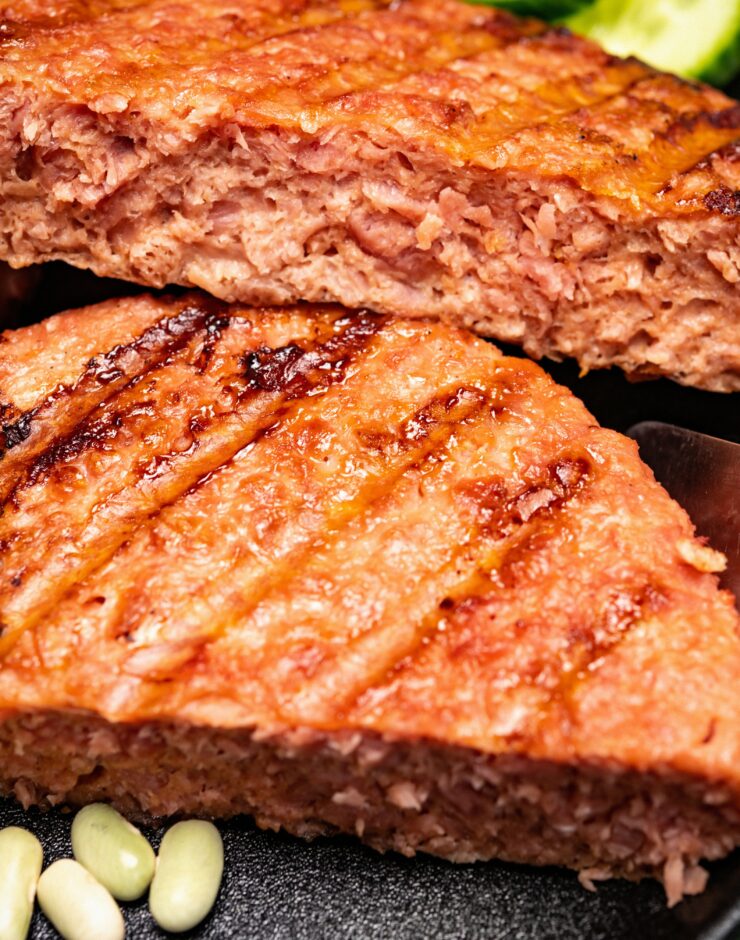
Close-up of a grilled plant-based meat patty being cut with a fork and knife on a black plate, featuring visible grill marks, some white beans, and a cucumber slice in the background. Perfect for lovers of plant-based meat and fish products.

Considerations & Limitations

  • Cost – Often more expensive than corn or wheat starch

  • Processing Sensitivity – Less tolerant to high heat or shear than some modified starches

  • Gel Strength – May not provide as firm a gel as higher-amylose starches (unless modified)

  • Waxy Variants Required for Stability – Native rice starch may retrograde or allow synereses