Key Facts About pH and Acidity
- pH measures how acidic or alkaline a solution is on a scale from 0 to 14.
- A pH of 7 is neutral. Values below 7 are acidic and values above 7 are alkaline.
- The pH scale is logarithmic, so each whole-number step is a tenfold change in acidity or alkalinity.
- Acidity is the concentration of acidic components. pH measures the degree of acidity or alkalinity, based on hydrogen ion concentration.
- Biological processes and many everyday jobs, from digestion to pool care, depend on keeping pH within set limits.
What pH Means: The Basics of Acidity and Alkalinity
Acidity is the concentration of acidic components in a solution. pH measures the degree of acidity or alkalinity, based on hydrogen ion concentration. The pH scale puts a number on that degree, from 0 (highly acidic) to 14 (highly alkaline), with 7 as neutral.
What Does pH Stand For?
pH is usually read as “power of hydrogen” or “potential of hydrogen”. The Danish chemist Søren Peder Lauritz Sørensen introduced it in 1909 at the Carlsberg Laboratory in Copenhagen as a shorthand for hydrogen ion concentration. Sørensen never fixed what the “p” meant, which is why both readings are still in use.
How to Read the pH Scale
The pH scale is a logarithmic range of numbers from 0 (highly acidic) to 14 (highly alkaline), with 7 as neutral. Anything below 7 is an acid. Anything above 7 is a base, and a base that dissolves in water is called an alkali.
The logarithmic part is what catches beginners out. Each whole number is a tenfold jump, so pH 3 is ten times more acidic than pH 4 and a hundred times more acidic than pH 5. A fall from 6 to 4 is a big change.
The pH scale
From 0 (most acidic) to 14 (most alkaline), with 7 as neutral.
- Stomach acidabout pH 1–2
- Pure waterpH 7
- Household bleachabout pH 12–13
- Lemon juiceabout pH 2
- Baking soda solutionabout pH 8–9
The Difference Between pH and Acidity
Acidity is the total amount of acidic components in a substance. pH measures the strength of that acidity or alkalinity. Neither one is more important than the other, because they answer different questions: how much acid is there, and how strongly acidic is the solution?
| pH | Acidity | |
| What it tells you | How strongly acidic or alkaline a solution is | How much acid is present |
| What it counts | Hydrogen ions free in the solution | All the acid, including weak acids that keep some of their hydrogen bound |
| How it’s expressed | A number from 0 to 14, with no units | A concentration, such as grams per litre |
| How it’s measured | Indicator or meter reading | Titration against a base |
Winemakers measure both. Two wines can have the same total acidity and still have different pH values, and the two figures affect taste and stability in different ways.
What Is pH?
pH tells you whether a solution is acidic or alkaline by measuring its concentration of hydrogen ions. The more hydrogen ions (H+) there are, the lower the pH. Alkaline solutions contain more hydroxide ions (OH-) than hydrogen ions. In pure water at 25 °C the two are balanced, which gives exactly 7.
You can measure pH in three common ways. Litmus paper turns red in an acid and blue in an alkali, so it tells you which side of 7 you’re on. Universal indicator changes colour across the whole scale and gives an approximate number. A calibrated pH meter gives a precise reading.
Why pH Matters: Real-World Examples and Importance
pH in the Human Body
Your body keeps pH within tight limits because enzymes and cells only work properly inside narrow ranges. Blood stays between 7.35 and 7.45. Chemical buffers, your breathing and your kidneys all work to hold it there.
Your stomach is the acidic extreme. On an empty stomach, stomach acid (mainly hydrochloric acid) sits at around pH 1–2, and the pH rises after a meal. That acid kills many of the microbes you swallow with food. It also activates pepsin, an enzyme that digests protein best at about pH 1.5–2. A mucus layer rich in bicarbonate stops the acid from damaging the stomach lining.
Common Examples of pH Levels
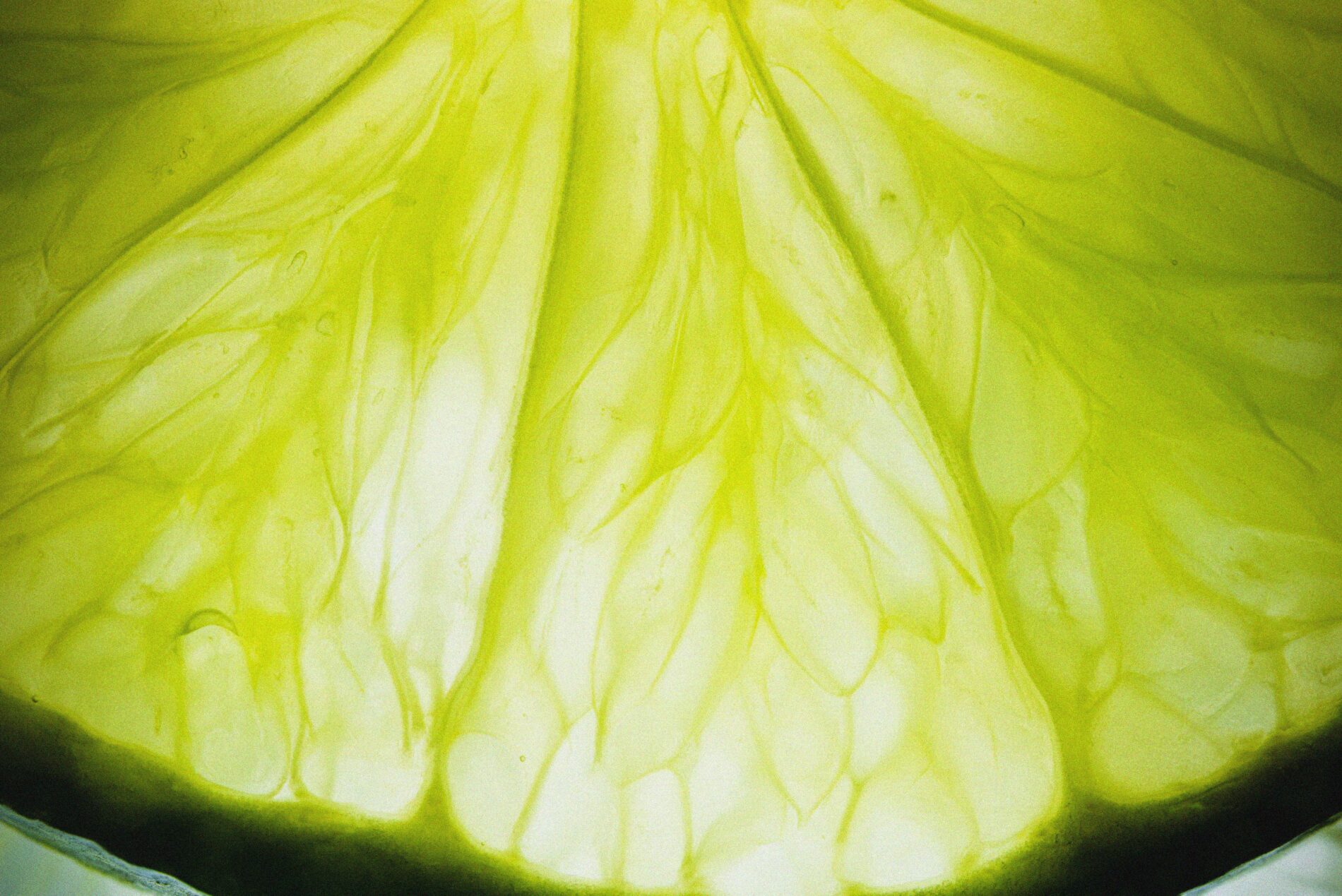
You already use familiar substances from both ends of the pH scale. Lemon juice is strongly acidic. Baking soda dissolved in water is mildly alkaline.
| Substance | Approximate pH |
| Lemon juice | 2–2.6 |
| Cola | 2.5 |
| Vinegar | 2.5–3 |
| Orange juice | 3.3–4.2 |
| Tomatoes | 4.3–4.9 |
| Black coffee | 5 |
| Milk | 6.5–6.8 |
| Baking soda solution | 8.3 |
These numbers explain some everyday kitchen habits. Pickling in vinegar works because low pH slows the growth of most bacteria. In baking, baking soda reacts with acidic ingredients such as buttermilk or lemon juice to release the carbon dioxide that makes a cake rise. Food manufacturers also use buffers, such as trisodium citrate, which absorb small amounts of added acid or alkali so a drink or sauce keeps a steady pH from production through to the end of its shelf life.
See a buffer at work
Many acidity regulators work as buffers: a weak acid paired with its salt, such as citric acid with sodium citrate. When extra acid arrives, the citrate catches the new hydrogen ions (H⁺) before they can lower the pH. Add some acid below, then switch the buffer off and try again.
- Free hydrogen ion (H⁺): makes it acidic
- Citrate catch site (fills when it catches an H⁺)
- Hydroxide ion (OH⁻): makes it alkaline
Citrate buffer, 100 ml. Few free H⁺ ions.
What Happens When pH Is Too Low?
Very low pH damages living tissue and wears away materials. In the body, blood pH below 7.35 is called acidosis. It needs urgent medical treatment.
Teeth are more exposed than most people realise. Tooth enamel starts to dissolve below about pH 5.5, so sipping cola or fruit juice through the day steadily erodes it. Outdoors, acid rain lowers the pH of lakes and streams, which harms fish and other aquatic life. Acidic water also corrodes metal pipes and concrete.
Acidity Regulators From Lehmann Ingredients
As you’d expect, Lehmann Ingredients supplies acidulants and buffering salts that set and hold the pH of food and drink, from soft drinks and confectionery to sauces, dairy and meat products. All are food-grade and available in conventional quality, with samples on request.
| Ingredient | E number | What it does | Pack size and MOQ | Availability |
|---|---|---|---|---|
| Citric Acid Anhydrous | E330 | Lowers pH and adds a sharp, fruity sourness; the water-free form suits dry mixes | 25 kg bag, 1,000 kg MOQ | UK stock |
| Citric Acid Monohydrate | E330 | The same acid in its crystal-water form, for drinks, jams and sweets | 25 kg bag, 1,000 kg MOQ | UK stock |
| Lactic Acid 80% | E270 | Liquid acidulant with a milder, rounder sourness, used in dairy, sauces and meat products | 25 kg bucket, 1,000 kg MOQ | UK stock |
| Tartaric Acid | E334 | The main acid in grapes, giving a strong, tart sourness to wine, confectionery and fruit products | 25 kg bag, 500 kg MOQ | Direct delivery |
| Trisodium Citrate Dihydrate | E331 | Buffers pH and softens harsh sourness in drinks; also an emulsifying salt | 25 kg bag, 1,125 kg MOQ | UK stock |
| Sodium Tripolyphosphate | E451(i) | Raises and holds pH and binds metal ions (a sequestrant), mainly in meat and seafood | 25 kg bag, 1,000 kg MOQ | Direct delivery |
Request a sample or browse all acidity and pH regulators.
Frequently Asked Questions About pH
No single pH is better than another. The right value depends on the job. Blood needs 7.35–7.45, while lemon juice is meant to be acidic and baking soda solution alkaline.
UK pool operators follow the Pool Water Treatment Advisory Group (PWTAG), whose Code of Practice recommends pH 7.0–7.4, ideally 7.0–7.2, for chlorine-treated pools. A lower pH makes chlorine a more effective disinfectant. US industry guidance usually gives 7.4–7.6.
Yes. In the UK, 9.5 is the upper limit allowed for tap water under the Water Supply (Water Quality) Regulations 2016, which set a range of 6.5–9.5