-

GFSI
GFSI isn’t a certification at all – it’s a benchmarking body that recognises other schemes against a common baseline. This guide explains how recognition works, which schemes carry it, and why “certified once, accepted everywhere” has limits worth understanding before you rely on it.
-
HACCP
HACCP underpins almost every food safety scheme, yet it’s often misunderstood – it’s a methodology, not a certification you can hold. This guide works through the seven principles in sequence, the four hazard categories every plan must address, and how it supports GFSI-recognised schemes.
-
BRCGS
BRCGS covers more than 22,000 sites worldwide and dominates UK and Irish retail supply. This guide sets out the seven areas the standard assesses, the annual audit cycle and the AA to D grading system – plus why a grade means little without the scope and findings behind it.
-
Water Activity
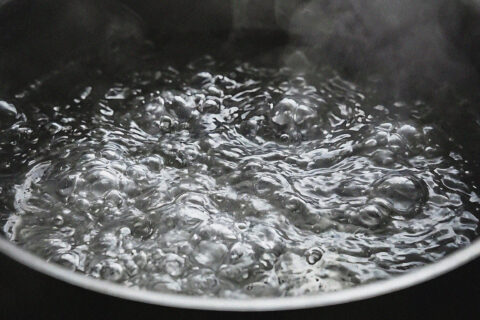
Two products with identical moisture readings can behave completely differently on the shelf. This guide explains water activity, the thresholds that govern microbial growth, and the humectants used to lower it – practical reading for setting shelf life or reformulating for stability.
-
GLOBALG.A.P.
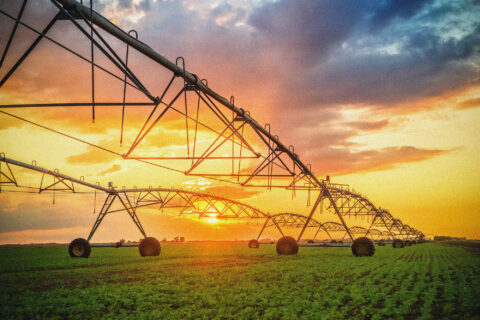
GLOBALG.A.P. certifies primary production across 130+ countries. This guide explains what’s verified at farm level, how the GGN number supports traceability, and a point often missed: not every GLOBALG.A.P. certificate carries GFSI recognition, only specific editions such as IFA v6 GFS.
-
Red Tractor
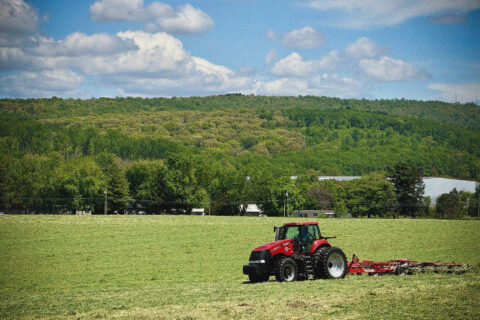
Red Tractor is the UK’s largest farm assurance scheme, running some 60,000 inspections a year. This impartial guide covers what it certifies, how assessment works, and the criticism it has attracted – including the ASA’s 2025 ruling on its environmental claims – with the context to weigh it fairly.
-
IFS Food
IFS Food is a GFSI-recognised standard used widely across continental Europe. This guide covers what the standard assesses, how the audit cycle works including unannounced audits and Star Status, and what to check on a certificate before you rely on it for supplier approval.
-
FSSC 22000
FSSC 22000 combines ISO 22000 with sector-specific prerequisite programmes and added requirements for food fraud, food defence and allergen management. This guide explains what the scheme covers, how certification is maintained, and how it differs from ISO 22000 alone and from BRCGS.
-
Allergens
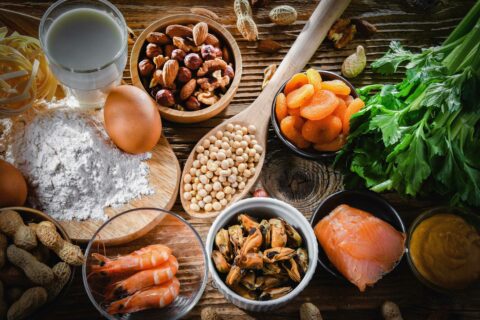
Allergens are among the highest-consequence risks in food manufacturing, and “allergen-free” rarely means completely absent – gluten-free, for instance, permits up to 20 ppm. This guide covers the 14 regulated allergens, cross-contamination controls including closed-loop manufacturing, and UK labelling requirements under Natasha’s Law.



Certification Schemes
Guides to the schemes you will see on supplier documentation, from GFSI-recognised standards to organic, halal and kosher. What each one covers, who audits it, and what it genuinely proves.

Food Safety Standards
The safety principles behind the paperwork: HACCP, allergen control, contaminant limits, hygiene and traceability. Practical explanations of how they work in real manufacturing environments.

Using Them in Practice
How to apply all of this when approving a supplier, writing a specification or reviewing a certificate. A clear reference point when you need to make a decision, not just read a definition.