Why “Clean Label” Matters
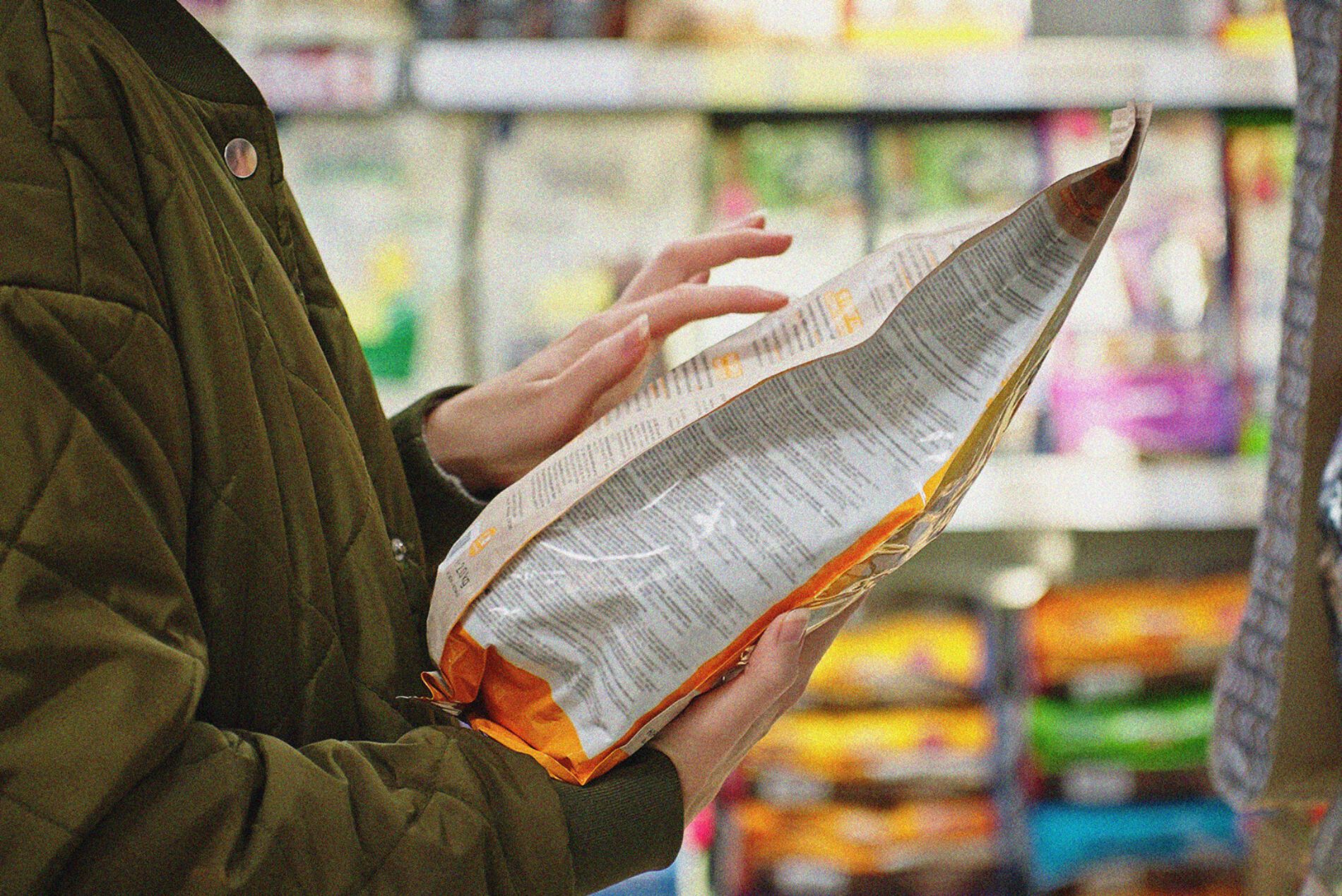
“Clean label” has become one of the most widely used terms in the food industry, yet it remains one of the least clearly defined. Unlike regulated claims such as organic or gluten free, clean label has no formal legal definition. Instead, it reflects a shift in consumer expectations around how food is made, what goes into it, and how ingredients are presented on pack.
At its core, clean label is driven by perception. Shoppers increasingly look for shorter ingredient lists, recognisable names, and a sense of minimal processing. This creates a tension between what consumers want to see on a label, what regulations allow, and what manufacturers need to deliver in terms of safety, shelf life, and performance.
As a result, clean label is not just a marketing trend. It has become a genuine formulation and commercial challenge, influencing ingredient choice, processing methods, and product positioning across almost every food category.
What Does “Clean Label” Actually Mean?
Despite how widely it’s used, clean label has no single legal or regulatory definition. Its meaning varies by market, product category, and even by retailer. In practice, clean label is shaped far more by consumer perception than by legislation.
For most consumers, clean label typically implies:
- Shorter ingredient lists
- Familiar, recognisable ingredient names
- Fewer or no E numbers
- A sense of minimal processing or “kitchen cupboard” simplicity
However, this perception does not always align with technical or regulatory reality. Many ingredients that carry E numbers are natural, plant-based, and long-established in food manufacturing, yet may still be viewed negatively on-pack.
This creates an important distinction between consumer clean label and technical clean label. From a technical perspective, an ingredient may be safe, natural, functional, and compliant across multiple markets. From a consumer perspective, the same ingredient may be questioned based solely on how it appears on an ingredient list.
Understanding this gap is critical for manufacturers. Clean label is less about removing functionality, and more about choosing ingredients and processing methods that balance performance, compliance, transparency, and consumer trust.
Clean Label vs Regulation: Not the Same Thing
One of the biggest sources of confusion around clean label is the assumption that it aligns neatly with food regulation. In reality, the two are related but very different.
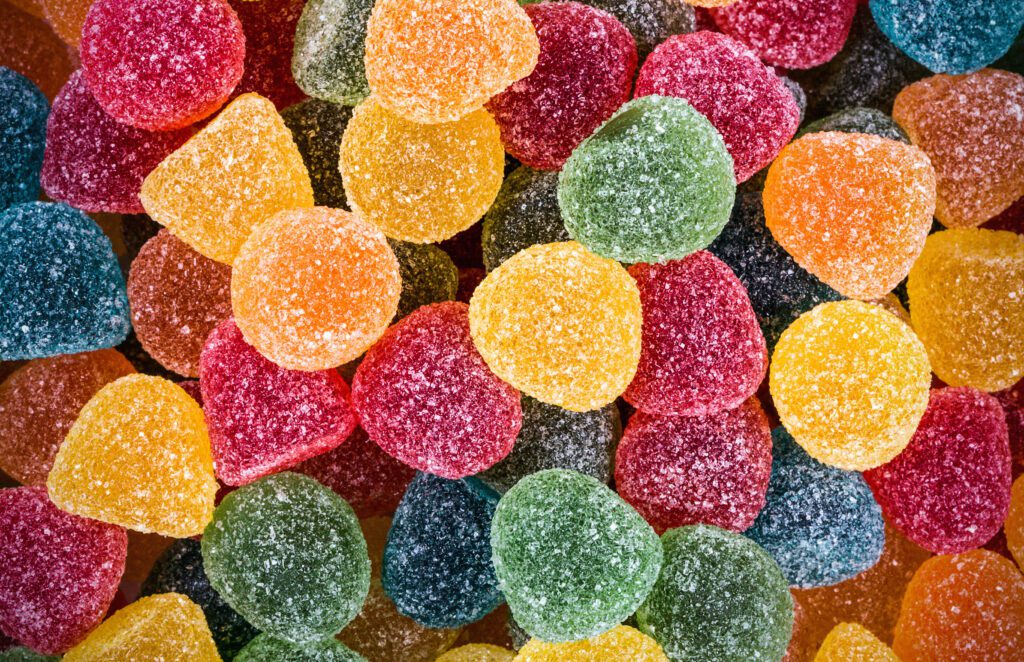
E numbers exist to standardise ingredient identification across markets. They indicate that an ingredient has been assessed for safety and approved for use, not that it is artificial or undesirable.Many familiar, naturally derived ingredients carry E numbers simply because they perform a specific technical function in food.
Take E160a, for example. It sounds synthetic. But it’s simply carotenes – the natural orange pigments found in carrots and other vegetables. When you say “carrot extract” instead of “E160a,” it suddenly feels very different.
The number doesn’t make it artificial. It just means the ingredient has been tested, approved, and given a standardised label so manufacturers – and regulators – know exactly what function it performs.
This disconnect becomes more pronounced when comparing regions. In the EU and UK, E numbers are visible on labels and often viewed negatively by consumers, even when the ingredient itself is familiar. In the US, the same ingredients are typically listed by name, which can significantly change perception despite identical functionality and safety profiles.
As a result, regulatory compliance does not automatically equal consumer acceptance. A product can be fully compliant, safe, and legally sound while still being rejected by shoppers who prioritise simplicity, recognisability, or perceived naturalness. Clean label formulation therefore sits at the intersection of regulation, language, and expectation, requiring manufacturers to balance what is allowed with what is understood and trusted.
How Clean Label Influences Formulation Decisions
Clean label has a direct and often challenging impact on formulation decisions. In many cases, ingredients are no longer selected purely on technical performance, but on how they are perceived by consumers reading an ingredient list. This can lead manufacturers to replace highly functional ingredients with alternatives that are more recognisable, even if they are less efficient or require additional ingredient system support.
Reformulation pressure is coming from multiple directions at once. HFSS regulations are pushing brands to reduce sugar, salt, and fat. At the same time, consumer demand for plant-based products and “natural” positioning is reshaping ingredient choices across bakery, dairy alternatives, confectionery, and beverages. These pressures rarely act in isolation, which means formulators must balance several objectives within a single recipe.
As a result, clean label formulation often involves trade-offs. Removing or replacing certain stabilisers, emulsifiers, or sweeteners can impact product stability, shelf life, and texture. Achieving the same mouthfeel or performance may require combining multiple clean label ingredients, adjusting processing conditions, or accepting a shorter shelf life. Cost can also increase, as cleaner ingredients may need to be used at higher inclusion rates to deliver comparable functionality.
Ultimately, clean label formulation is less about eliminating functionality and more about re-engineering systems. Successful products are those where ingredient choice, processing, and performance are aligned with both regulatory requirements and consumer expectations, without compromising the eating experience.
Ingredients Commonly Associated With Clean Label
While “clean label” has no formal definition, certain ingredient types are consistently viewed more favourably by both consumers and brand owners. These ingredients tend to be familiar, naturally derived, and capable of delivering multiple functions without long or technical declarations.
Naturally Derived Functional Ingredients
Starches (Native and Physically Modified)
Native Starches and Physically Modified Starches are often preferred over chemically modified alternatives in clean label formulations. They provide thickening, binding, and texture without complex processing narratives, making them suitable for sauces, fillings, dairy-style products, and bakery systems where label simplicity is important.
Fibres (Fructooligosaccharides and Soluble Tapioca Fibre)
Functional fibres play a growing role in clean label product development. Ingredients such as Fructooligosaccharides (FOS) and Soluble Tapioca Fibre support sugar reduction, bulking, and mouthfeel while also enabling nutritional claims related to fibre content. Their plant-based origin and dual functional–nutritional role make them attractive in HFSS-sensitive categories.
Lecithin (soy, sunflower, rapeseed)
Lecithin is one of the most widely accepted emulsifiers. Derived from vegetable oils, it performs essential functions such as emulsification, flow improvement, and anti-sticking, while remaining recognisable to most consumers. Although lecithin carries an E number in some regions, it is generally perceived as natural and widely accepted across bakery, confectionery, chocolate, and beverage applications.
Proteins (Pea Protein, Egg-based ingredients)
Proteins are increasingly used not only for nutrition but also for structure, emulsification, and stability. Pea Protein and egg-based ingredients can support aeration, and texture while aligning with clean label expectations.
Sweetening and Bulking Systems
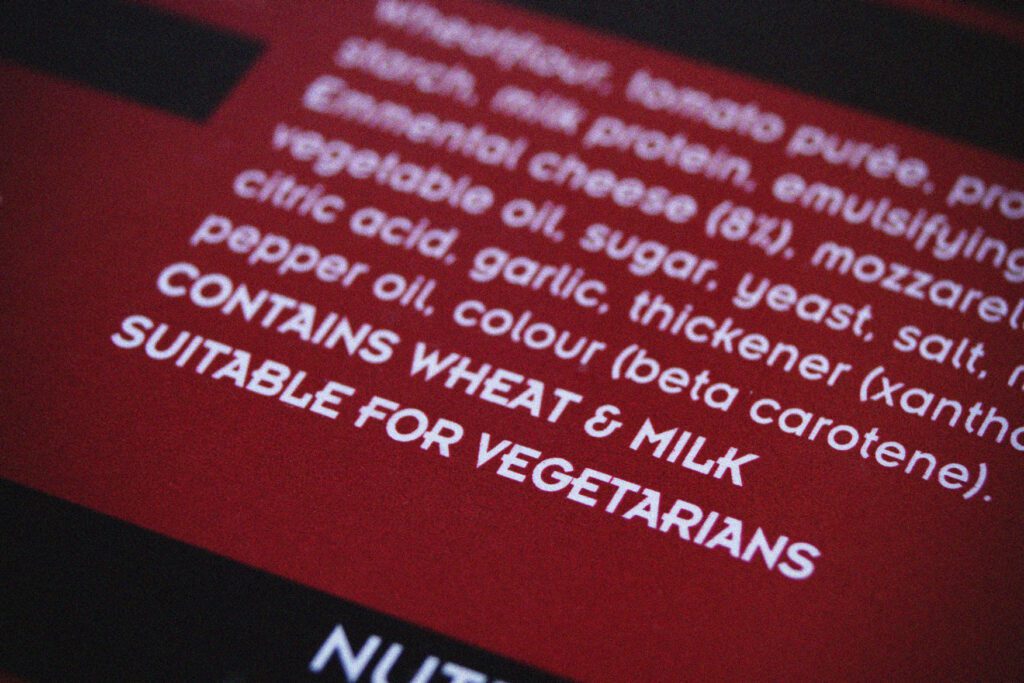
In clean label systems, sweetness and bulk are often delivered through more familiar carbohydrates rather than high-intensity sweeteners alone. Sugars, syrups and fibres are selected based on application, processing needs, and consumer perception. While not all of these are inherently “clean” in every context, for example, Glucose Syrup is likely to be perceived as less clean than Oat Syrup; they are often preferred when they help avoid artificial sweeteners.
Why These Ingredients Are Favoured
These ingredient groups are commonly associated with clean label formulations because they:
- Are widely recognised and easier to understand on-pack
- Deliver multiple functional benefits from a single ingredient
- Reduce reliance on long ingredient lists or technical additives
- Fit more naturally into reformulation strategies driven by HFSS, sugar reduction, and plant-based demand
In practice, clean label formulation is rarely about removing functionality. It is about achieving the same technical outcomes using ingredients that better align with consumer expectations, regulatory realities, and commercial goals.
Clean Label Emulsifiers: Perception vs Performance
Emulsifiers are often one of the first ingredient groups questioned in clean label discussions. For many consumers, the word itself suggests something artificial or overly processed, even though emulsifiers play a fundamental role in food stability, texture, and shelf life.
Lecithin is typically the most accepted option from a clean label perspective. Derived from familiar plant sources such as soy, sunflower, or rapeseed, it is widely recognised and understood, making it a common first choice when manufacturers want to maintain label simplicity while delivering basic emulsification and processing benefits.
Sugar esters, by contrast, offer far greater technical precision and performance. Their functionality can be finely tuned for specific applications, from stabilising emulsions and controlling viscosity to preventing crystallisation and improving texture. However, their name and E number status can sometimes create hesitation, despite being derived from sugar and plant-based fatty acids and approved for food use.
The reality is that clean label is not just about ingredient names or the absence of E numbers. It is about intent, transparency, and appropriate use. In many cases, a small amount of a highly effective emulsifier can reduce the need for multiple additives, shorten ingredient lists, and improve overall product quality. For formulators, the challenge lies in balancing consumer perception with functional performance to achieve products that are both technically robust and commercially acceptable.
Clean Label Does Not Mean “Additive-Free”
One of the most common misconceptions around clean label is that it means removing additives altogether. In reality, many everyday foods rely on functional ingredients to exist in a stable, safe, and enjoyable form. Emulsifiers, fibres, starches, and proteins often play essential roles that consumers rarely notice when they work well.
Stripping these ingredients out entirely can create new challenges, such as oil and water separation, loss of texture, reduced shelf life, or inconsistent quality. In some cases, removing a single functional ingredient simply forces manufacturers to add several others to compensate.
Clean label formulation is therefore less about elimination and more about justification. It focuses on using ingredients that are necessary, familiar, and multifunctional, and being transparent about why they are there. When used thoughtfully, functional ingredients support product quality, safety, and consumer trust rather than undermining it.

Clean Label, Nutrition, and Consumer Choice
Clean label is often discussed separately from nutrition -and rightly so, as they are not the same. A product can be nutritionally balanced without fitting a narrow clean-label definition, just as a short ingredient list does not automatically make a food nutritious. In practice, consumers expect both honesty and enjoyment. Texture, mouthfeel, and taste matter; and emulsifiers exist because people genuinely want stable, appealing foods.
Indulgence also has a place, enjoying a chocolate bar made with functional ingredients doesn’t undermine a healthy diet overall. Clean label, at its best, supports informed choice; not guilt, compromise, or unrealistic expectations.
The Future of Clean Label
The future of clean label is likely to focus on using fewer, multi-functional ingredients that deliver texture, stability, and flavour without unnecessary complexity. This reduces formulation risk while supporting clearer, more understandable labels.
At the same time, supply chain transparency is becoming just as important as the label itself. Where ingredients come from and their environmental impact, how they are processed, and why they are used all play a role in building consumer trust.
Rather than asking “Can we remove this ingredient?”, the question is shifting to “Is this ingredient justified, understood, and responsibly sourced?”.
Clean Label Is a Strategy, Not a Shortcut
Clean label sits at the intersection of science, regulation, and consumer perception. It is not defined by the absence of ingredients, E numbers, or processing steps, but by how thoughtfully and transparently products are formulated.
The most successful clean label products start with functionality. Ingredients are chosen because they solve real technical challenges such as stability, texture, shelf life, and safety, not simply because they look good on a label. When those choices are clearly explained and responsibly sourced, consumer confidence tends to follow.
Ultimately, clean label is not a one-size-fits-all solution or a checklist to be ticked. It is a long-term formulation strategy that balances product performance, regulatory compliance, and trust. Brands that approach clean label this way are better positioned to adapt as expectations, legislation, and markets continue to evolve.
Request a Sample
A clean label generally refers to foods made with shorter, simpler ingredient lists using recognisable, familiar ingredients, with minimal processing and fewer artificial additives.
Clean label is not a legal definition. It reflects consumer expectations around transparency, simplicity, and ingredient familiarity rather than a regulated standard.
Products are typically considered clean label when they use recognisable ingredients, avoid unnecessary additives, minimise E numbers, and clearly explain ingredient function.
There is no universal clean label certification. Compliance is governed by existing food regulations, while “clean label” is driven by market perception rather than law.
Consumers often look to avoid artificial colours, synthetic preservatives, unfamiliar chemical names, and excessive E numbers, even when those ingredients are legally approved.
Yes. Many natural ingredients, such as citric acid, carry E numbers. Clean label depends on how ingredients are perceived and explained, not just whether an E number exists.
The five-ingredient rule is an informal guideline suggesting that shorter ingredient lists are perceived as cleaner, though it is not a regulatory requirement.
Interpretations vary by region. EU and UK consumers tend to be more sensitive to E numbers, while US clean label focuses more on “natural” and “free-from” claims.
No. Organic refers to how ingredient raw materials are grown. Clean label relates to ingredient transparency and perception. Many clean label products still use functional ingredients where necessary.
Clean label builds trust. Clear, honest ingredient lists help consumers feel informed and confident, while brands benefit from stronger loyalty and long-term credibility.