Your End Consumer Has Already Moved
Something has shifted in how everyday consumers think about fibre.
It didn’t come from a government campaign or a clinical trial press release. It came from social media. Fibre Maxxing, the practice of deliberately maximising daily fibre intake, has built a genuine following across TikTok and Instagram, with millions of views attached to gut health content, high-fibre meal breakdowns, and microbiome education.
The hashtag culture around it is noisy. The underlying behaviour is not.
Consumers are reading fibre content on pack. They’re choosing products specifically for their fibre contribution. They’re supplementing their diet with standalone fibre formats. And they’re making purchasing decisions based on it.
The question for manufacturers? Is your current product range positioned to meet this demand?
What Fibre Maxxing Actually Represents
Strip away the social media framing and you’re left with something commercially straightforward: a growing consumer segment that is actively prioritising dietary fibre, and doing so with more nutritional literacy than previous generations.
The UK NHS recommends 30g of dietary fibre per day. Most adults consume around half that. Fibre Maxxing participants are targeting 50g or more, and the content driving it is grounded in real science. Gut health, microbiome diversity, blood glucose management, satiety, digestive regularity. These are well-evidenced health associations.
That scientific grounding matters for your category positioning. This isn’t a trend built on vague wellness claims. It’s consumer demand converging with established nutritional science.
For manufacturers, that’s a more durable signal than most trend cycles produce.
Where the Demand Is Landing
The interest isn’t uniform across categories. It’s concentrating in specific areas; and if you operate in any of them, you’re likely already feeling it in buyer conversations, category data, or new product briefs.
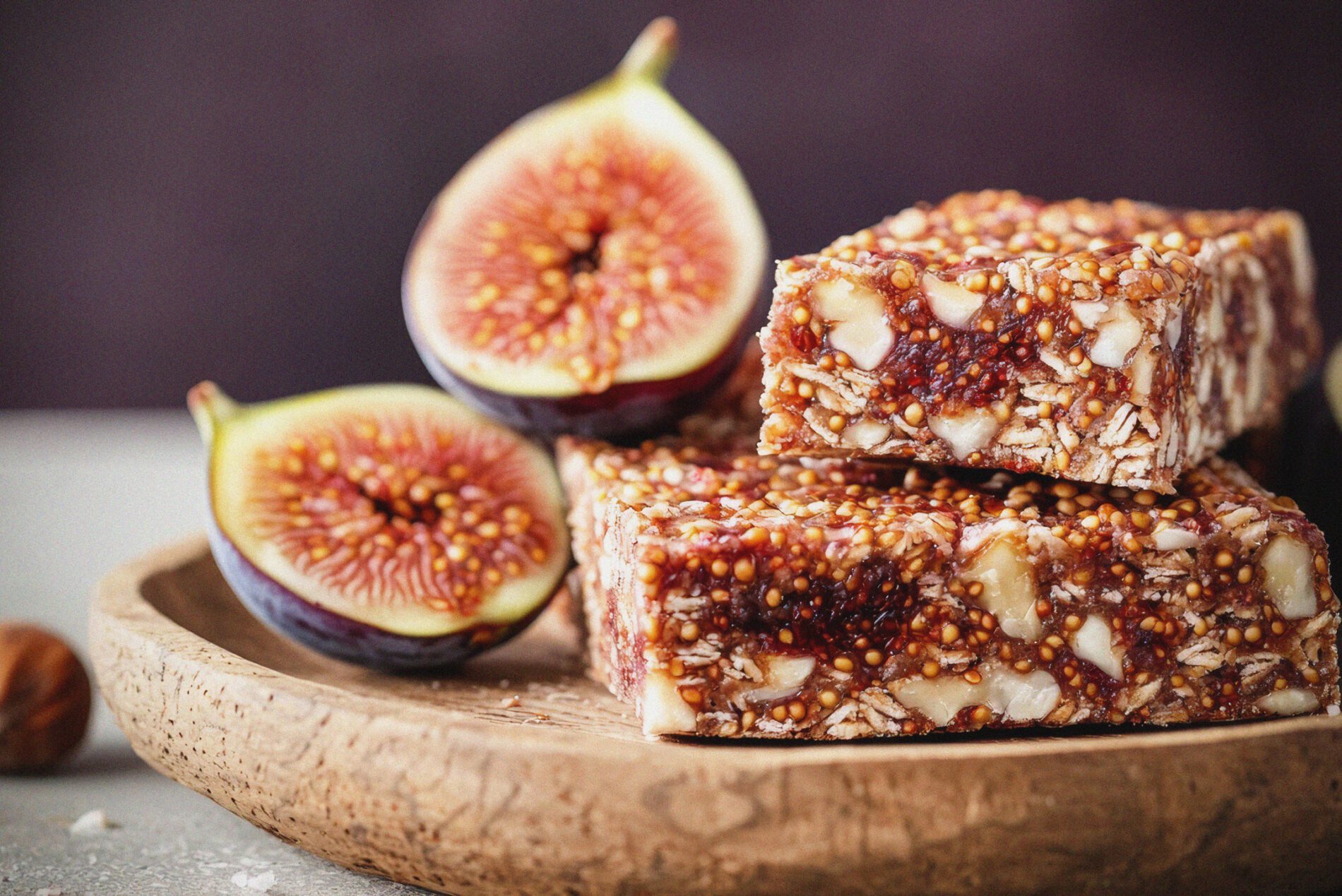
Snacking – High-fibre bars, crackers, and savoury snacks. Consumers want meaningful fibre counts, not incidental amounts. Inulin, pea fibre, and oat fibre are doing significant work here.
Functional beverages – Soluble fibre drinks and shots. Soluble Tapioca FIbre and Oligofructose are the common formats, chosen for mixability and relatively neutral flavour contribution.
Bakery and bread – Fibre enrichment, specifically with Wheat Fibre, is established in this category, but Fibre Maxxing raises the bar on claim ambition and label transparency around fibre source.
Protein and meal replacement – Formats that historically leaned on protein as the primary functional claim are increasingly adding fibre as a meaningful co-claim rather than a minor ingredient.
Supplements – Standalone fibre capsules, powders, and sachets are growing. Consumers who can’t hit targets through food alone are supplementing directly, and this is a product format opportunity that’s still developing.
If your NPD pipeline isn’t addressing at least one of these, it’s worth reviewing why.
The Formulation Reality
Adding fibre to a product is not complicated in principle. In practice, it requires the right ingredient choice for the right application, and the two aren’t always obvious.
Fibre is a broad category. The properties that matter; solubility, viscosity, water absorption, thermal stability, flavour impact and fermentability vary considerably across types.
Inulin and Fructooligosaccharides (FOS) from beet or chicory root are mild in flavour, highly soluble, and carry well-established prebiotic credentials. They work across dairy, beverages, and confectionery formats with relatively low formulation disruption.
Psyllium husk is highly viscous and hygroscopic. It’s effective at meaningful inclusion levels for cardiovascular and glycaemic claims, but requires careful handling in terms of texture and processing behaviour.
Oat and wheat fibre are reliable workhorses for bakery and meat alternative applications. Insoluble, structurally functional, and familiar to most processing environments.
Pea fibre is growing in relevance as plant-based applications mature. Relatively neutral, available in several particle sizes, and compatible with clean label positioning.
Beta-glucan carries strong regulatory-backed health claim potential, particularly around cholesterol. It demands specific inclusion levels to support claims and behaves differently across processing conditions.
Claims Need to Be Built In, Not Added On
If a Fibre Maxxing driven product brief includes a label claim, that claim needs to be designed in from the start; not retrofitted.
EU and UK regulations set clear thresholds. A “source of fibre” claim requires at least 3g per 100g (or 1.5g per 100 kcal). A “high fibre” claim requires at least 6g per 100g (or 3g per 100 kcal). Those numbers have to be supported by the final formulation, and the fibre type and grade you use will determine whether they’re achievable in your specific format.
Some fibre types also carry substantiated health claims: beta-glucan for cholesterol, psyllium for blood glucose control; but these require specific inclusion levels and precise claim language. Regulatory and development teams need to work together from the brief stage, not at sign-off.
The commercial opportunity in high-fibre claims is real. The path to them is straightforward if the groundwork is done properly.
Sourcing Considerations Worth Understanding
As demand for fibre ingredients grows, it’s worth being clear-eyed about where supply comes from and where the risks sit.
Chicory inulin is predominantly produced in Belgium and the Netherlands. Supply is generally stable, but chicory root yields are weather-dependent, and growing demand across functional food markets has at times tightened availability at specific grades.
Psyllium is heavily concentrated in the Rajasthan region of India, which produces the majority of global supply. Harvest variability, quality grading, and export logistics all require active management when sourcing at volume.
Oat and wheat fibre are more distributed across Europe and North America, though crop performance and processing capacity influence pricing and lead times.
Pea fibre supply is growing as investment in pulse processing infrastructure increases, primarily in Canada, France, and China, but specification consistency across suppliers varies.
Single-source procurement in any of these carries risk. Understanding your supply chain, not just your supplier, is part of managing a reliable ingredient pipeline.
The Practical Question
Fibre Maxxing as a social media trend will run its course, but with the structural shift in consumer interest in nutrition keep a focus on gut health and digestive function? We think so. Think how Protein claims have become a front of pack mainstay in so many categories.
The manufacturers who respond thoughtfully now, with the right product formats, the right ingredients, and the right claims, are better positioned to capture demand that’s already there and growing.
That means reviewing your current portfolio against where fibre enrichment is achievable. It means briefing NPD teams with commercial context, not just nutritional targets. And it means working with suppliers who understand ingredient functionality and supply chain realities, not just price per kilo.
If you’re working through a fibre enrichment brief or need to understand sourcing options for a specific application, we’re here to help.