
Food Safety and Certification

For ingredient buyers and technical teams, certification underpins every sourcing decision. It shapes which suppliers reach an approved list, what evidence a specification must carry, and how much confidence a buyer can place in a product before it arrives. This hub brings together clear, practical guides to the standards that matter most: GFSI-recognised schemes such as BRCGS, FSSC 22000 and IFS Food; farm assurance schemes such as GLOBALG.A.P. and Red Tractor; and the underlying principles of HACCP and GFSI.

Foggy plastic strip curtains lead into a cold storage room with metal shelves holding cardboard boxes and containers; moisture and condensation are visible on the plastic strips.
A person in protective clothing, hair net, and face mask operates machinery in a factory or laboratory setting, with another worker visible in the background.

Certification and quality assurance sit at the heart of every sound sourcing decision. The guides below explain the standards, schemes and principles that matter most to ingredient buyers and technical teams – what each one covers, how it works, and where it fits in the supply chain.

Whether you are reviewing a supplier’s credentials, deciding which certifications to require, or making sense of an unfamiliar mark on a specification sheet, each guide offers a clear, practical reference point you can rely on.


  • A woman in a lab coat and hairnet writes in a notebook whilst inspecting equipment in an industrial or laboratory setting. Conveyor belts and machinery are visible in the background.

    GFSI

    GFSI isn’t a certification at all – it’s a benchmarking body that recognises other schemes against a common baseline. This guide explains how recognition works, which schemes carry it, and why “certified once, accepted everywhere” has limits worth understanding before you rely on it.

  • A person wearing blue gloves uses a pipette to examine an egg yolk in a petri dish beside a carton of brown eggs, with a microscope in the foreground.

    HACCP

    HACCP underpins almost every food safety scheme, yet it’s often misunderstood – it’s a methodology, not a certification you can hold. This guide works through the seven principles in sequence, the four hazard categories every plan must address, and how it supports GFSI-recognised schemes.

  • Fizzy drinks in a factory bottling line.

    BRCGS

    BRCGS covers more than 22,000 sites worldwide and dominates UK and Irish retail supply. This guide sets out the seven areas the standard assesses, the annual audit cycle and the AA to D grading system – plus why a grade means little without the scope and findings behind it.

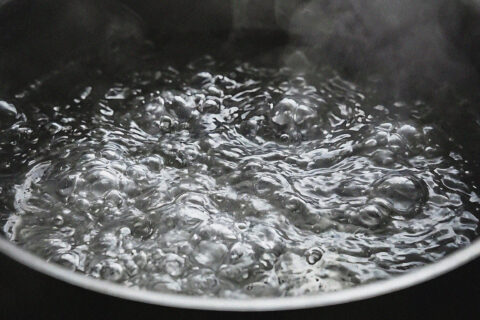
  • Close-up of water vigorously boiling in a saucepan, with large bubbles and steam rising from the surface.

    Water Activity

    Two products with identical moisture readings can behave completely differently on the shelf. This guide explains water activity, the thresholds that govern microbial growth, and the humectants used to lower it – practical reading for setting shelf life or reformulating for stability.

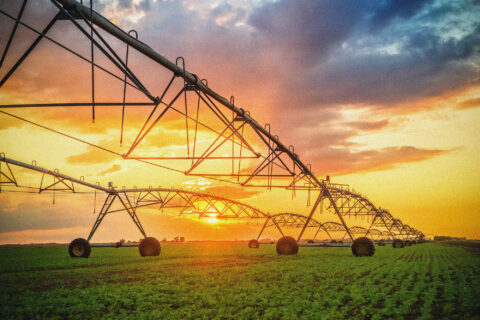
  • A large irrigation system stretches across a green field at sunset, with dramatic clouds and vibrant orange-yellow light filling the sky.

    GLOBALG.A.P.

    GLOBALG.A.P. certifies primary production across 130+ countries. This guide explains what’s verified at farm level, how the GGN number supports traceability, and a point often missed: not every GLOBALG.A.P. certificate carries GFSI recognition, only specific editions such as IFA v6 GFS.

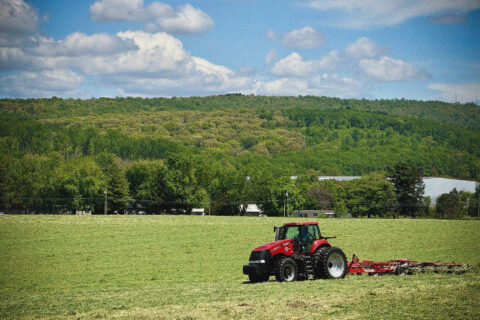
  • A red tractor pulls farming equipment across a large green field with dense trees and hills in the background under a partly cloudy sky.

    Red Tractor

    Red Tractor is the UK’s largest farm assurance scheme, running some 60,000 inspections a year. This impartial guide covers what it certifies, how assessment works, and the criticism it has attracted – including the ASA’s 2025 ruling on its environmental claims – with the context to weigh it fairly.

  • A scientist in a lab coat and blue gloves examines a meat sample near a microscope, with fresh vegetables, nuts, an egg, and laboratory glassware on the table.

    IFS Food

    IFS Food is a GFSI-recognised standard used widely across continental Europe. This guide covers what the standard assesses, how the audit cycle works including unannounced audits and Star Status, and what to check on a certificate before you rely on it for supplier approval.

  • A person in a pink lab coat, blue hair net, and gloves inspects a yellow liquid in a bottle inside a factory with many similar bottles in the foreground.

    FSSC 22000

    FSSC 22000 combines ISO 22000 with sector-specific prerequisite programmes and added requirements for food fraud, food defence and allergen management. This guide explains what the scheme covers, how certification is maintained, and how it differs from ISO 22000 alone and from BRCGS.

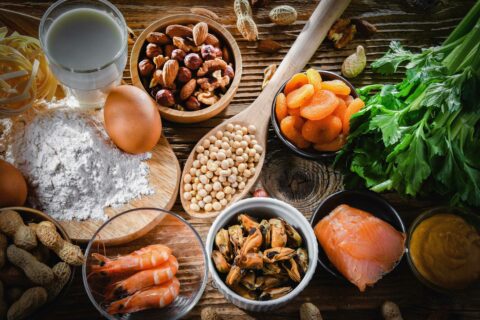
  • Items of food on a table.

    Allergens

    Allergens are among the highest-consequence risks in food manufacturing, and “allergen-free” rarely means completely absent – gluten-free, for instance, permits up to 20 ppm. This guide covers the 14 regulated allergens, cross-contamination controls including closed-loop manufacturing, and UK labelling requirements under Natasha’s Law.